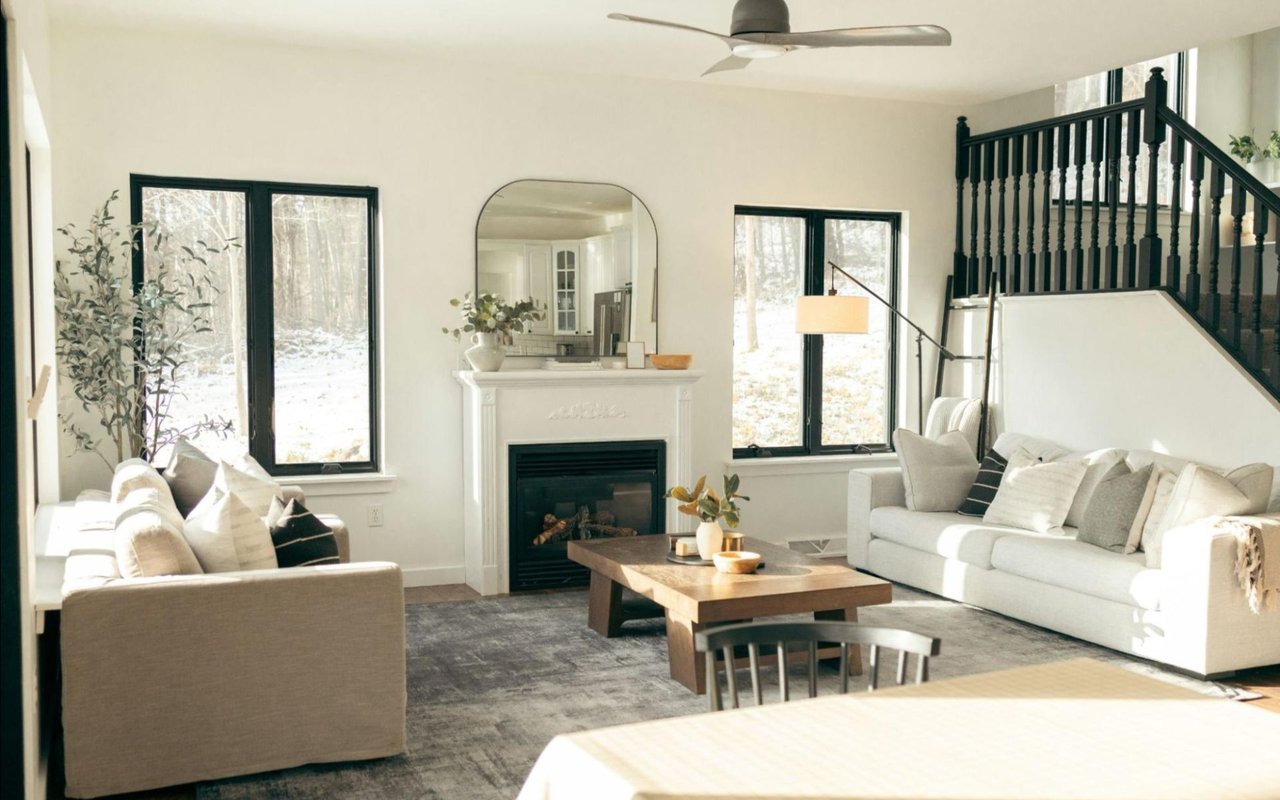
Decorating a new home is always an exciting chapter, but when that home sits on the water—especially in a place as naturally stunning as Ephraim, WI—it presents a unique set of opportunities and challenges. The key is to enhance rather than compete with the setting, creating an interior that feels calm, cohesive, and connected to the outdoors. Whether the home offers panoramic views of Green Bay or is nestled within a private cove, decorating your waterfront home requires a thoughtful blend of function, restraint, and personal style. For many buyers represented by Arbor Crowne Properties, the goal is to design a home that respects the local landscape while offering comfort, livability, and sophistication.
Starting With the Setting: Let the View Lead the Design
Waterfront homes come with a built-in focal point: the view. When decorating your waterfront home, it's essential to make that view the hero of the space. Interior elements should enhance sightlines and natural light, not obstruct them. That means carefully considering furniture placement, window treatments, and even the layout of decorative accents.
Many Ephraim properties feature open floor plans with oversized windows and direct access to outdoor spaces like decks or screened porches. In these cases, furnishings should be positioned to frame—not block—these natural assets. Low-profile sofas, streamlined chairs, and glass-topped tables help preserve visibility without sacrificing function.
Color choices also matter. Lighter hues such as soft white, sand, muted blues, and natural linen tones reflect sunlight and mirror the outdoor environment, creating a seamless visual transition. This palette doesn't just feel calming—it allows the beauty of the water and surrounding woods to remain front and center.
Balancing Casual Comfort With Sophisticated Design
One of the common challenges when decorating your waterfront home is finding the balance between laid-back comfort and refined elegance. Waterfront properties often serve as retreats—places to relax, unwind, and gather with friends and family. Yet many buyers also want these homes to reflect a sense of polish, particularly when entertaining or hosting extended guests.
To achieve that balance, consider layering textures and materials that offer tactile interest without feeling overly formal. Natural fibers like jute, rattan, and wool create warmth and depth. Pair these with classic silhouettes and high-quality finishes—such as brushed brass hardware, custom millwork, or reclaimed wood beams—to elevate the space without overcomplicating it.
Furniture should be both durable and beautiful. Performance fabrics in neutral tones allow for everyday use while maintaining their appearance over time. Upholstered benches, slipcovered chairs, and modular sectionals offer flexibility and softness, making spaces feel inviting without sacrificing style.
In a place like Ephraim, where year-round weather shifts dramatically, it's also important to design interiors that function well in all seasons. Cozy elements like oversized throws, ambient lighting, and area rugs help make large spaces feel intimate during colder months while still being easy to transition for summer entertaining.
Avoiding Overdone Nautical Themes
It can be tempting to lean heavily into coastal motifs when decorating your waterfront home, but subtlety is key. A few thoughtful references to the water—like a blue and white color palette, driftwood-inspired accents, or marine-inspired artwork—can be tasteful and on-theme. However, too many literal references, such as anchor décor or seashell patterns, can quickly feel kitschy and detract from the home's natural elegance.
Instead, think in terms of materials and mood. Use natural woods, weathered metals, stone, and linen to evoke a shoreline feeling without being overly thematic. Artwork inspired by water, landscapes, or local wildlife can create a sense of place without overwhelming the space.
A good rule of thumb is to aim for timelessness over trend. Waterfront homes should feel like an extension of their environment, not a themed escape. By focusing on quality craftsmanship, natural materials, and subtle details, homeowners can achieve an aesthetic that feels authentic and enduring.
Designing for Indoor-Outdoor Living
In Ephraim, where summer days stretch long into the evening and crisp autumn air invites cozy porch gatherings, indoor-outdoor living is an essential part of waterfront home design. Decorating your waterfront home should involve more than just the interiors—it should consider how spaces transition from indoors to outdoors and how those areas are furnished and styled.
Outdoor living areas like decks, patios, screened porches, and docks should be furnished with the same intentionality as the rest of the home. Use weather-resistant furniture that complements the interior style, and create zones for lounging, dining, and entertaining. Outdoor rugs, lanterns, and planters add comfort and personality without clutter.
Glass doors, wide windows, and thoughtful lighting can help unify indoor and outdoor areas. In homes with lake views, aligning outdoor seating areas with interior sightlines ensures the view remains the central experience throughout the home.
Storage also plays a key role. Incorporate design solutions that accommodate outdoor gear, wet towels, and seasonal décor. Mudrooms, built-in benches, and custom cabinetry help keep entry points clean and organized—especially important in waterfront properties where sand, water, and gear frequently flow through the home.
Personalizing the Space Without Overcrowding
One of the joys of homeownership is making the space your own, but personal style should still leave room for the home—and the landscape—to breathe. When decorating your waterfront home, it's best to take a curated approach. Choose pieces that reflect your lifestyle, travels, or values, but edit carefully to avoid clutter.
Art and accessories should complement, not compete with, the views and natural elements. Think large-scale statement pieces, sculptural lighting, or textural wall hangings rather than collections of small items. A well-placed antique or artisan piece can speak volumes in a room with an otherwise pared-down aesthetic.
Storage is also an important design consideration. Built-ins, hidden cabinetry, and custom storage furniture help keep surfaces clean and emphasize open space. The more organized and intentional the space feels, the more the home's architecture and setting can shine.
Future-Proofing With Functional Design
Finally, decorating your waterfront home should include long-term considerations. Because waterfront properties are often shared by generations or used as short-term rentals, flexible layouts and durable materials are essential. Multi-functional furniture, ample seating, and easy-care finishes help future-proof the home without compromising design.
Smart home technology can also enhance function without being visually intrusive. Integrating lighting controls, security systems, and climate control into the design ensures the home is easy to manage—whether the owner is on-site or away.
By approaching design with both beauty and function in mind, homeowners create spaces that are not only visually compelling but also livable and lasting.
Start Decorating Your Waterfront Home With Arbor Crowne Properties
Whether you're moving into a newly built lakefront retreat or updating a classic Door County cottage, decorating your waterfront home is a chance to reflect your lifestyle while honoring the unique setting that makes waterfront living so special. Contact Arbor Crowne Properties to find a home that aligns with your design vision and discover the Ephraim-area properties that offer both scenic beauty and architectural potential. With the right guidance, your waterfront home can become the perfect balance of comfort, elegance, and natural connection.